
Sugar Grove Real Estate – Sugar Grove Homes For Sale
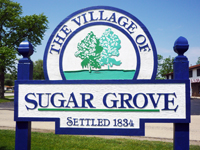 Sugar Grove, Illinois is a quaint village located in the far west suburbs of Chicago. Sugar Grove real estate is popular for both its seclusion and stylish homes. Families that discover this community immediately fall in love with the combination of small-town atmosphere and ideal location. Sugar Grove real estate has grown quickly over the past decade with a number of new upscale communities north of downtown. Despite this, the Village of Sugar Grove has been careful to maintain its atmosphere and tightly-knit community. Select from the options presented below to learn more about the Village of Sugar Grove.
 Sugar Grove Foreclosures – get the latest list of all Sugar Grove foreclosures for sale, instantly. Search for foreclosures in Sugar Grove – free!
 First Time Buyer Downpayment Assistance – get up to $6,000 towards downpayment and closing costs. Below-market rates available.
 Sugar Grove home search – view the latest homes for sale in Sugar Grove using my free interactive real estate search. Search by map or features.
 Sugar Grove, Illinois – information about the Village of Sugar Grove. Learn more about life in the community, local events and entertainment.
 Sugar Grove Home Buyers – resources for home buyers looking for Sugar Grove real estate. Start here if you’re shopping for homes.
 Sell a Sugar Grove Home – learn more about my innovative home marketing program that will get you results even in this market.
 Sugar Grove Schools – research schools in Sugar Grove. All the information you’re looking for including test scores and ratings.
 History of Sugar Grove – this community, founded in 1833 was originally a Native American sugar camp. Read a brief history of Sugar Grove.
Sugar Grove Home Marketing Program
 My Red Zone marketing program is now available for homes in Sugar Grove! This unique, aggressive marketing system has been designed around specific techniques that are working to sell homes in this market. By combining proven marketing techniques such as virtual tours and direct mail with the latest social media advertising and listing syndication, my program works by getting your home in front of more buyer. Plus, my commission sharing program gives you a full 1% rebate when I both list and sell your home. Learn more about The Red Zone and why my clients are calling this the best marketing program they’ve experienced. This is a tough market to sell a home – demand the best. Request a short, “no hassle” presentation on what this program can do to sell your home.
Sugar Grove Subdivisions
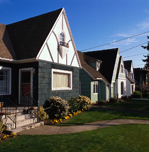 Although not as numerous as other surrounding communities, Sugar Grove subdivisions are a microcosm of home styles. Up until around the 1960’s, Sugar Grove real estate consisted of mainly widely-spaced farm houses and other small pockets of homes near downtown. For many years, Sugar Grove was best known as being home to the beautiful Prestbury Subdivision and golf course. But as more visitors fall in love with the community it has become one of the top spots for new home construction in the region. Since the 1990’s several new subdivisions have joined Prestbury north of downtown and have nearly doubled the number of homes in Sugar Grove. To learn more about these beautiful communities, visit my Sugar Grove Subdivisions page or select one from the menu below to get more information about Sugar Grove real estate.