
Naperville Real Estate
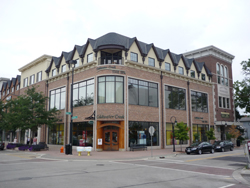
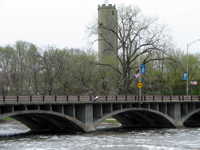
Annually, the City of Naperville, Illinois tops national lists for the best communities to live in the United States. Combining a thriving economy, trendy shopping and nationally-ranked schools, Naperville is home to an estimated 150,000 people. Most of Naperville lies in DuPage County but the southern part does cross over into Will County. Naperville, IL is considered the 4th largest city in Illinois based on the 2000 census and is known for its beautiful homes and riverwalk along a branch of the DuPage river that runs near the center of the city. Naperville is also known world-wide as the home of the Millennium Carillon – one of only four Grand Carillons in existence – where it resides in the Moser Tower at Riverwalk Park. Naperville has been a popular area for corporate headquarers and research labs – it is currently home to offices of Tellabs, Laidlaw, Nicor, Porche, BP Amoco among others. Naperville real estate includes a number of elegant subdivisions that were built during the development boom of the 1980’s and 1990’s as well as large multi-million dollar estates near Downtown Naperville. If you are relocating to the Naperville area, continue reading to learn more about the community and history of this beautiful city.

History of Naperville Real Estate
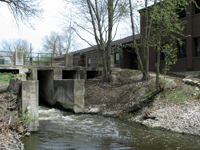
Captain Joseph Naper was a shipbuilder that owned several vessels transporting people and goods between Detroit and Fort Dearborn (Chicago) in 1831 he was joined by his brother, John, their families and five others looking for a good area to settle. Traveling west from Chicago along the stagecoach road to Galena, the party came upon a promising spot along the DuPage River. A series of log houses were built along the river – one of which was occupied by the Naper family. The area soon became known as the “Naper Settlement” and was a popular stop-over for travelers heading to Galena or Ottawa. The community was located at an important crossroads of two large stagecoach routes and in 1832, Joseph Naper was charged with directing an official state survey of the Chicago to Galena Road (otherwise known as The State Road or The Galena Road). At the time, Galena was in the midst of a boom due to the discovery of large lead deposits in the area and its location near the Mississippi River and many travelers made they several-day journey to Galena in search of fortune.
By 1832, the Naper Settlement included nearly 180 residents, a sawmill, gristmill, several stores, a hotel and lots of farms and small log homes. The town was officially platted out in 1835 by Joseph Naper and included roughly 80 acres along the DuPage River. The following year, Joseph Naper began a promising political career with his election to the Illinois legislature. In the next 3 years he was to play an important part in the creation of DuPage County from the much larger Cook County. In 1839, the Naper Settlement became the official seat of the newly-created county. In 1857, the settlement was officially incorporated as the Village of Naperville and elected Joseph Naper as the first village president.
In 1864, the Chicago, Burlington & Quincy railroad ran its tracks through the village and built a station that served to transport area goods throughout the region. In 1890, the village officially incorporated into the City of Naperville. The city remained fairly small – with modest industry and residences – until 1954 when plans were announced for a large toll road that would be located just north of the community. Once constructed, the easy access into the City of Chicago sparked a development boom in the 1980’s and 1990’s that would greatly expand the city and bring in lots of industry.